Ice Bath Benefits: What the Research Actually Shows
Mar 10, 2026
Ice baths reduce inflammation, boost dopamine by up to 250%, accelerate muscle recovery, and strengthen the immune system. These are not wellness trends without evidence - they are backed by peer-reviewed research from Stanford and the University of Copenhagen. Regular cold exposure, as little as 11 minutes per week, delivers measurable improvements in physical recovery, mental clarity, and resilience.
Below, we break down each benefit, the science behind it, and how to get the most from your cold therapy practice.
Ice baths offer proven benefits: reduced inflammation and muscle soreness (immediate), a 250% dopamine boost that lasts hours, improved circulation (1-2 weeks), increased brown fat and metabolic rate (2-4 weeks), and 29% fewer sick days in controlled studies. Aim for 11 minutes of cold exposure per week across 2-4 sessions at 50-59°F (10-15°C) for optimal results.
Physical recovery and reduced inflammation
The most well-documented benefit of ice baths is their effect on inflammation and muscle recovery. When you immerse yourself in cold water at 50-59°F (10-15°C), your blood vessels constrict. This reduces blood flow to inflamed tissues, limiting swelling and flushing out metabolic waste like lactic acid. When you exit, your blood vessels dilate and fresh, oxygen-rich blood rushes back into the muscles.
This constriction-dilation cycle makes ice baths particularly effective after intense exercise. Studies show cold water immersion reduces delayed-onset muscle soreness (DOMS) more effectively than passive rest or cryotherapy. Athletes who take regular ice baths report faster recovery between sessions, allowing higher training volumes without accumulating fatigue.
Should you take an ice bath before or after a workout?
For optimal recovery, take an ice bath 30-60 minutes after exercise. If your primary goal is muscle growth, wait 6-8 hours - immediate cold exposure can blunt the inflammatory response that drives muscle adaptation.
The dopamine effect: energy, focus, and mood
Perhaps the most compelling reason people stick with cold therapy is how it makes them feel afterward. Research in the European Journal of Applied Physiology found that cold water immersion at 57°F (14°C) triggers a 250% increase in dopamine. Unlike caffeine or sugar, this boost is sustained for several hours. Dopamine drives motivation, focus, and a sense of accomplishment - which is why regular practitioners describe heightened alertness and elevated mood after sessions.
This effect also explains why ice baths are increasingly used for managing stress. Cold exposure activates the sympathetic nervous system and triggers a controlled stress response. Over time, your brain regulates this response more efficiently, building greater emotional resilience in everyday life.
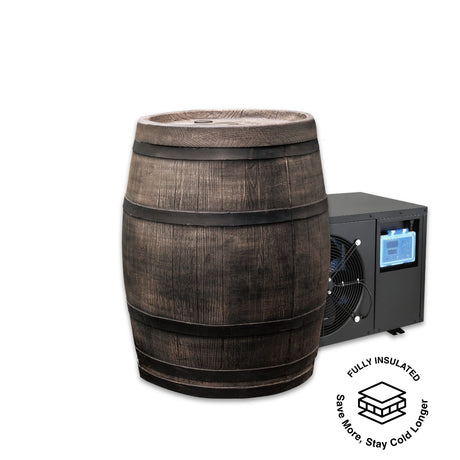
The Icebarrel
Triple-layer insulated barrel with built-in seating and step. Developed in collaboration with Wim Hof. 2.6 kW chiller cools to 37.4°F (3°C). Available in M and XL.
From €1,995 View productImmune system and metabolic benefits
A landmark 2021 study by Dr. Susanna Søberg at the University of Copenhagen found that regular cold water swimmers had significantly higher brown fat activity. Brown fat is metabolically active tissue that burns calories to generate heat. More brown fat means a higher resting metabolic rate and better insulin sensitivity - both key markers of metabolic health.
Participants who accumulated approximately 11 minutes of cold exposure per week, spread across multiple sessions, showed the most significant improvements. This finding has become the benchmark recommendation for weekly cold exposure.
Can ice baths strengthen your immune system?
A large-scale Dutch study found that participants who practiced cold showers for 30 days reported 29% fewer sick days. Researchers believe repeated cold exposure trains the immune system to mount a faster response to pathogens, similar to how exercise trains the cardiovascular system. Combined with the metabolic benefits, regular cold therapy is one of the most time-efficient health practices available.
| Benefit | Mechanism | Onset |
|---|---|---|
| Reduced muscle soreness | Vasoconstriction reduces inflammation | Immediate |
| Dopamine boost (250%) | Sympathetic nervous system activation | Immediate |
| Improved circulation | Constriction-dilation cycle | 1-2 weeks |
| Increased brown fat | Thermogenesis adaptation | 2-4 weeks |
| Stronger immune response | Immune system training | 2-4 weeks |
| Better sleep quality | Core temperature regulation | 1-2 weeks |
| Mental resilience | Controlled stress exposure | 2-4 weeks |
Sleep quality and nervous system regulation
Cold water immersion directly affects your autonomic nervous system. The initial shock activates your sympathetic response (fight-or-flight). As you control your breathing and stay calm, your parasympathetic system (rest-and-digest) takes over. This shift trains your body to recover from stress more quickly, which profoundly impacts sleep.
People who take regular ice baths often report falling asleep faster and sleeping more deeply. Cold exposure lowers your core temperature, one of the key signals your body uses to initiate sleep. An ice bath in the late afternoon or early evening amplifies this effect. This is also why cold therapy is gaining traction among high-stress professionals - the ability to deliberately activate and calm your nervous system builds what researchers call "stress inoculation."
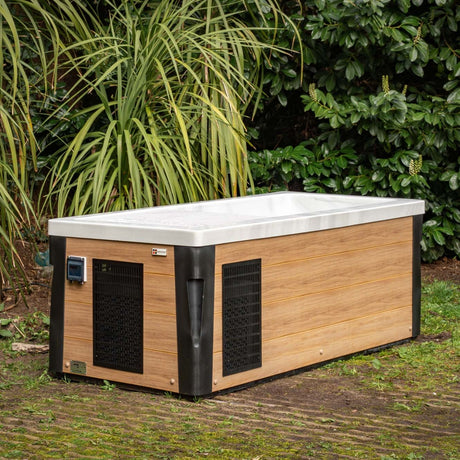
Breeze - Ice bath with current
Seated ice bath with jet current system and integrated 1.3 kW chiller. Fully insulated with high-capacity filtration. Plug-and-play setup.
€5,095 View productSafety: who should be careful with ice baths
Cold water immersion is safe for most healthy adults, but there are exceptions. People with untreated hypertension, heart disease, Raynaud's disease, or cold urticaria should consult their doctor first. Pregnant women should avoid ice baths entirely. Anyone new to cold therapy should start gradually: 1-2 minutes at 55-60°F (13-16°C), and never push through numbness, dizziness, or confusion. For a complete guide on safe duration by experience level, see our cold therapy guide.
Frequently asked questions
What are the main benefits of ice baths?
Reduced inflammation and muscle soreness (immediate), a 250% dopamine boost lasting several hours, improved circulation (1-2 weeks), increased brown fat activity and metabolic rate (2-4 weeks), 29% fewer sick days in studies, better sleep quality, and greater mental resilience. Aim for 11 minutes of cold exposure per week across 2-4 sessions.
How quickly do you feel the benefits?
The dopamine boost and reduced soreness are immediate - you feel them after your first session. Improved circulation and sleep develop within 1-2 weeks. Metabolic benefits like increased brown fat and immune improvements take 2-4 weeks of consistent practice.
Are ice baths scientifically proven?
Yes. Peer-reviewed research from Stanford, the University of Copenhagen, and the European Journal of Applied Physiology has documented specific, measurable benefits including the 250% dopamine increase, 29% fewer sick days, and significant metabolic improvements. Learn more about the science behind cold therapy.
Who should not take ice baths?
People with untreated hypertension, heart disease, Raynaud's disease, or cold urticaria should consult their doctor first. Pregnant women should avoid ice baths. Anyone new to cold therapy should start gradually at 1-2 minutes in moderate temperatures and never push through numbness or dizziness.
Experience the benefits for yourself
Explore our range of ice baths designed for daily cold therapy. From the compact Icebarrel to the advanced Breeze with current system.

